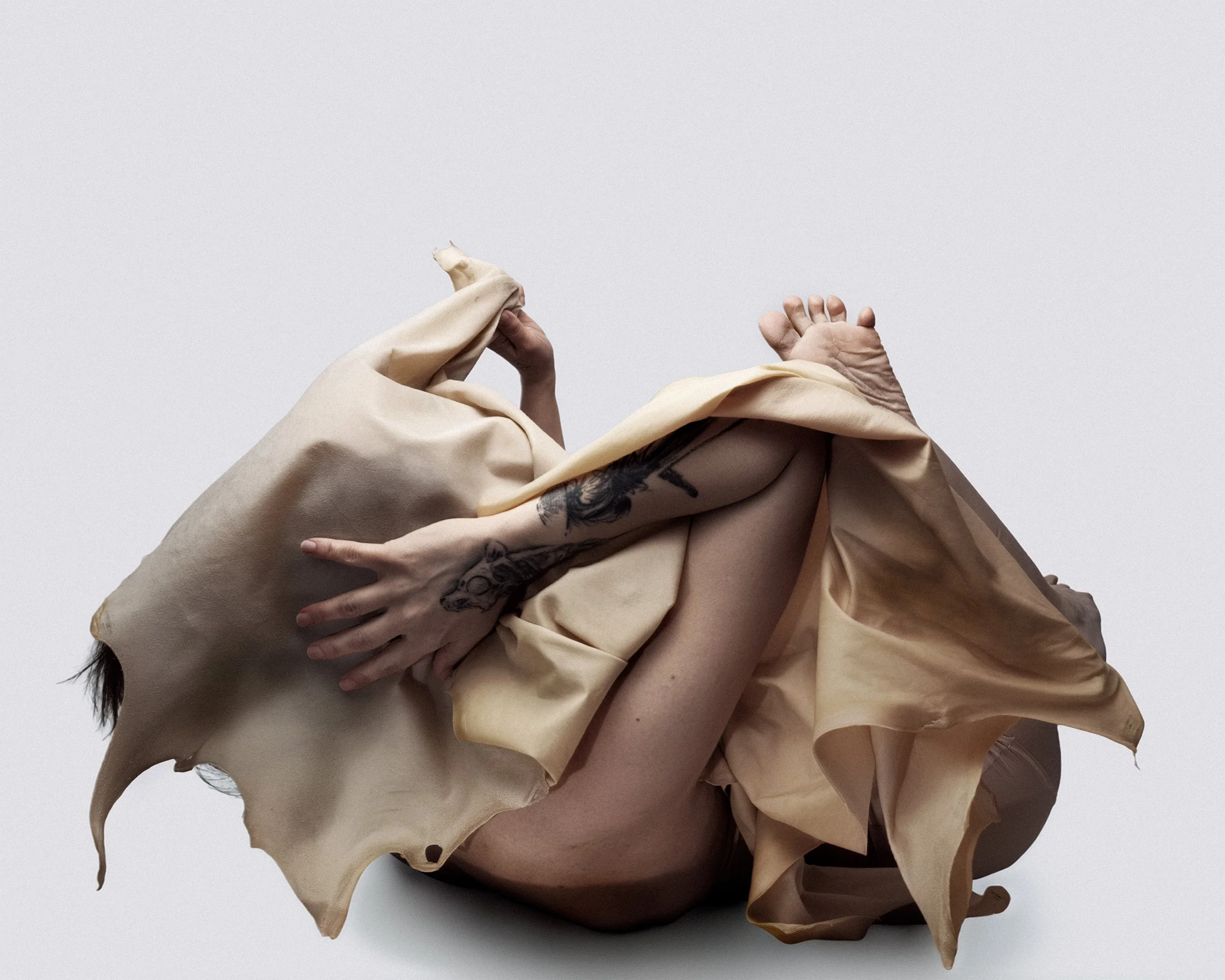
bar Mark
The title plays on the Nordic word barmark, when melting snow reveals the ground beneath. Bar Mark suggests a fragile trace: a witness to life that has passed, leaving marks from which something else may grow. For the artists - whose heritages span Kalaallit Nunaat, Sápmi, and Kurdistan - this resonates with lives shaped by movement: shedding skins, leaving traces, and carrying fragments of belonging across places.
This project is currently in its initial phase and unfolds through shared and relational practice, co-creation and spatial experimentation.
A first residency will take place at HAUT - Copenhagen between June 8th - July 5th 2026
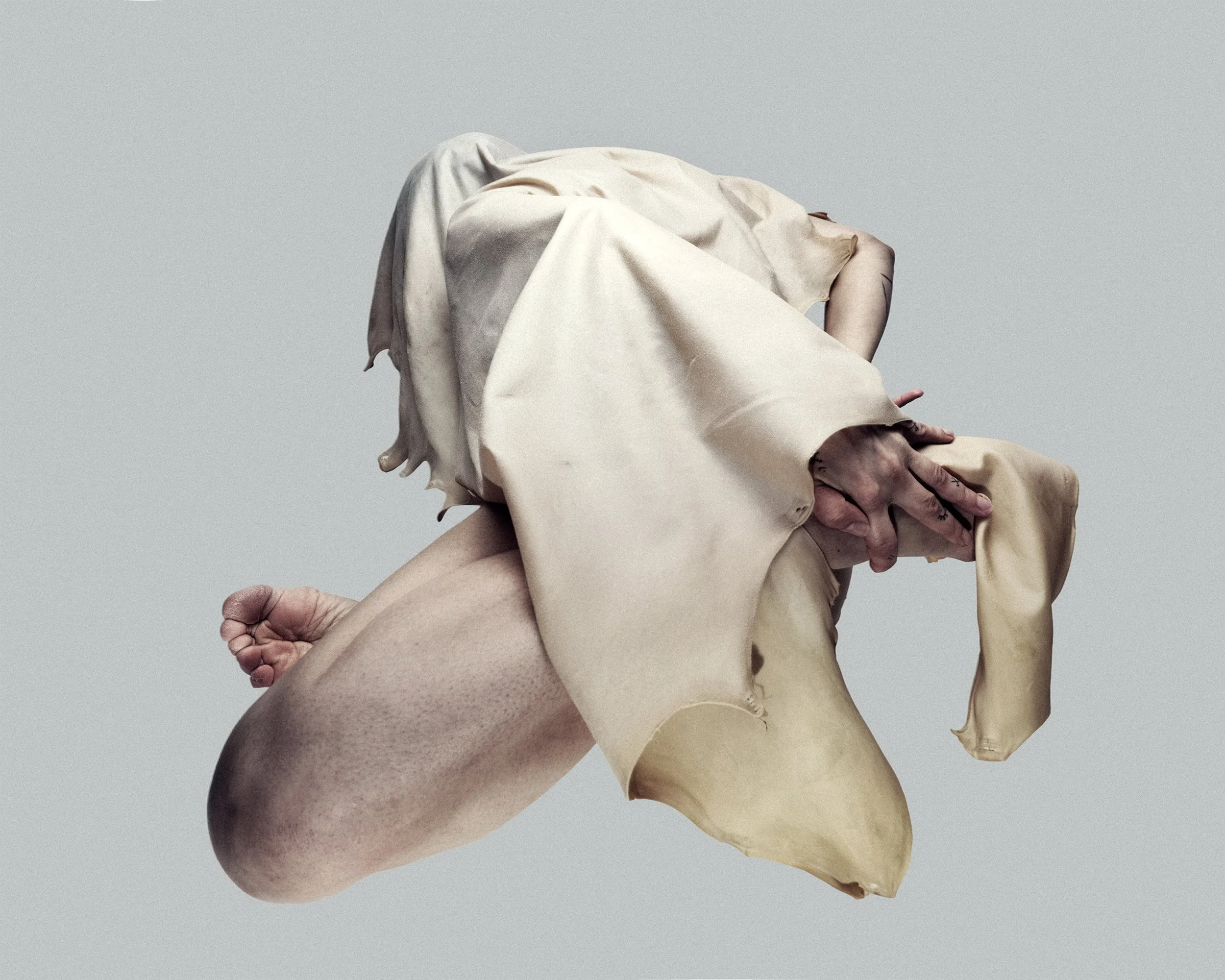
Image by ©Hector Palacios
Upcoming showings
Copenhagen 2026:
June 21st - Nordatlantens Brygge
June 25th - HAUT
June 26th - Artistic Talk/Tale Telling Circle at Astrid Noacks Atelier
Through the concept of epidermal migration—the collective movement of cells that closes a wound - Bar Mark traces processes of healing and reparation across bodies, ground, and histories.
Skin and movement emerge as carriers of traces, revealing how belonging has been reshaped through geographical shifts and distorted historical narratives. Working with archives that remain partially inaccessible, the work reflects on the paradox of encountering signs of one’s own presence: names, images, records - without having lived the moment they testify to.
Human and non-human bodies appear as sites of testimony, holding traces of lives that once moved across the ground. In this way, Bar Mark unfolds as a diasporic reflection on resilience, repair, and the possibility of gathering what has been dispersed.
Bar Mark is an artistic memoir and performance by Louise Najavaraq Fontain and Marit-Shirin Carolasdotter. The audience is invited into a space where body, material, and storytelling exist side by side. Through skin, stone, movement, and presence, relationships between human and non-human bodies are activated, allowing traces of displacement, belonging, and lived experience to emerge.
Bar Mark is unfolding towards a performative installation where body, organic material, sound, and text interact within a shared environment. Through skin, stone, movement, and archival fragments, the artists explore how relationships between human and non-human bodies can give form to diasporic conditions of displacement, repair, and reciprocity.
The project forms part of aclarger artistic series which traces migrational corridors between Arctic and Mesopotamian territories through performance, installation, and archival research.
Supported by
HAUT Residency, Nordatlantens Brygge, Astrid Noacks Atelier in Copenhagen,
Norrlandsoperan/Dans i Västerbotten, Umeå/ Ubmeje